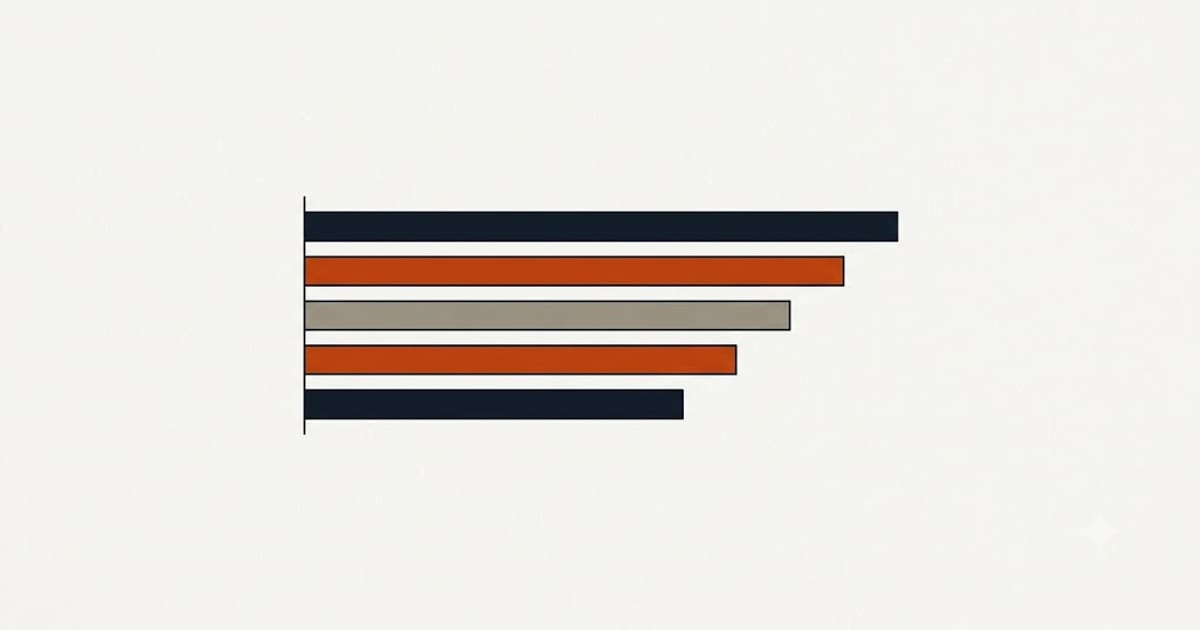
| eGFR (mL/min/1.73m²) | Stage | Meaning |
|---|---|---|
| 90 or above | G1 | Normal kidney function |
| 60–89 | G2 | Mildly reduced |
| 45–59 | G3a | Mild to moderate reduction |
| 30–44 | G3b | Moderate to severe reduction |
| 15–29 | G4 | Severely reduced |
| Below 15 | G5 | Kidney failure |
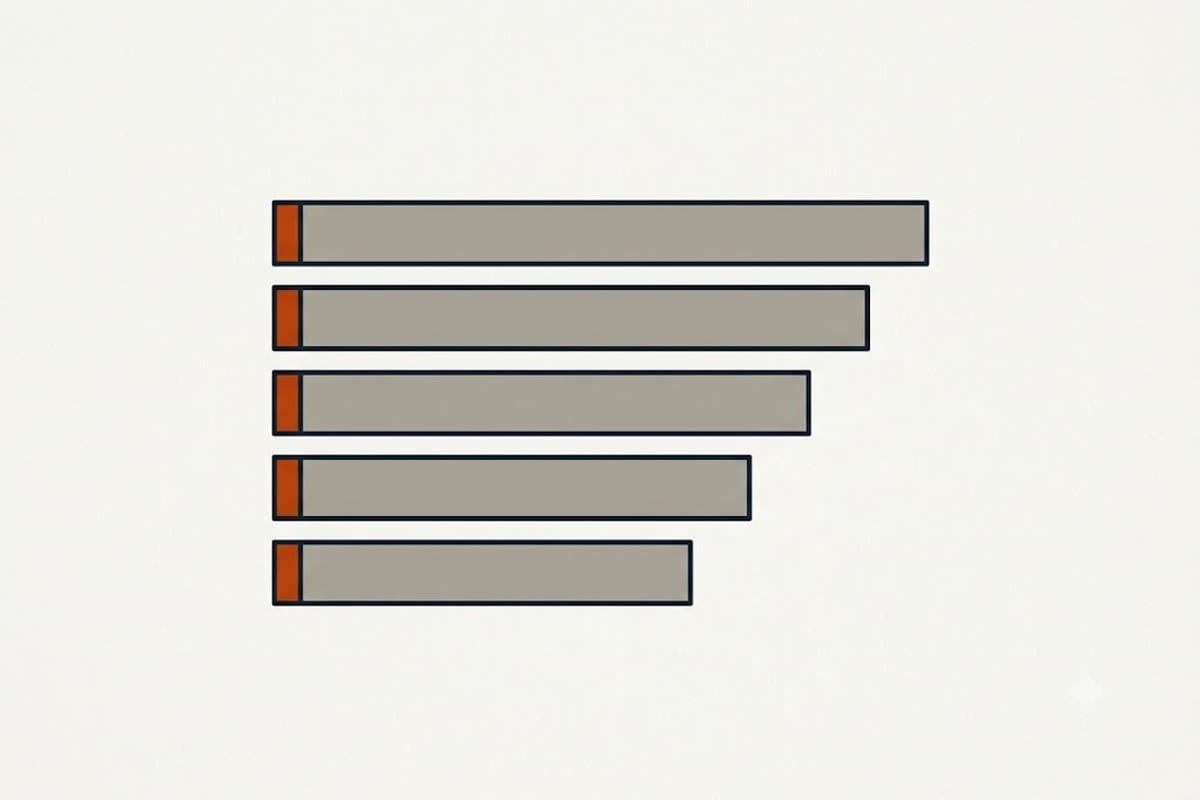
A stage is only assigned as chronic kidney disease when the finding persists for three months or more, usually alongside evidence of kidney damage such as protein in the urine. A single low eGFR is not a diagnosis.
Why eGFR rather than creatinine
Creatinine is a waste product of muscle metabolism cleared by the kidneys, so a rising level suggests reduced clearance. On its own it is a poor guide, for one main reason.
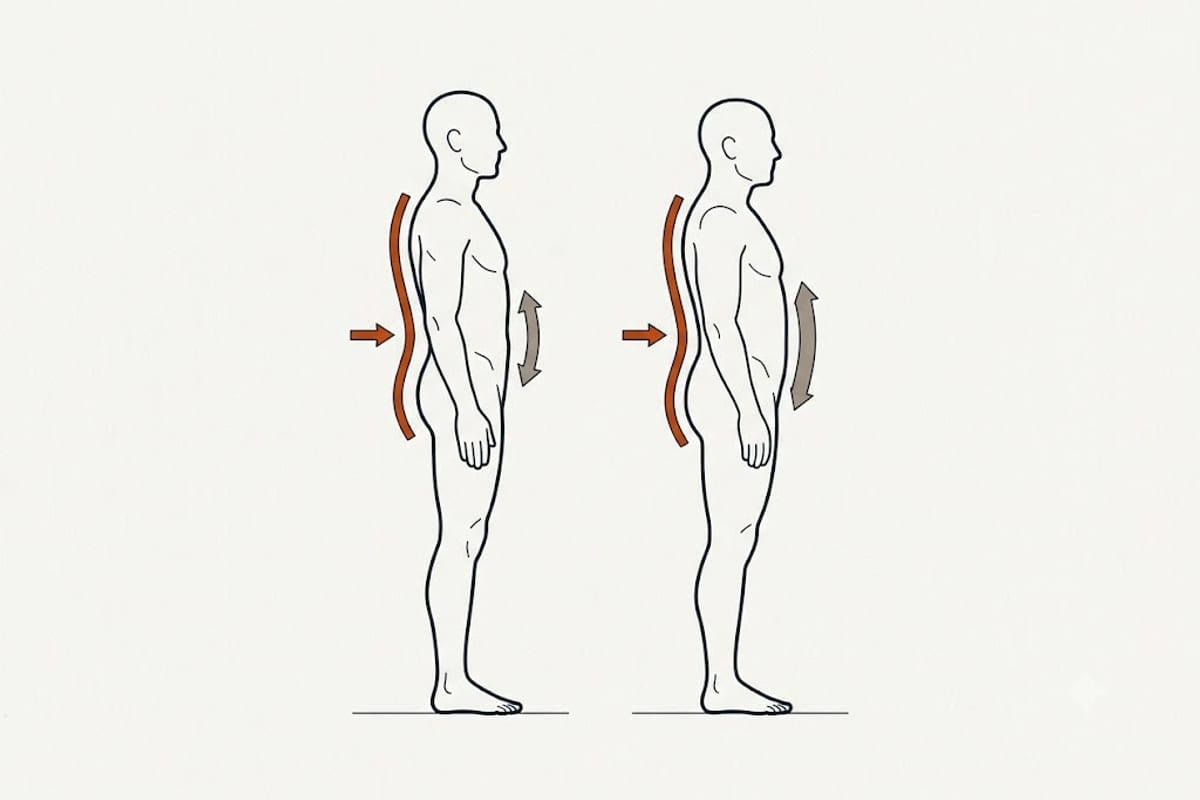
Creatinine production depends on muscle mass. A muscular young man and a slight older woman with identical kidney function will have very different creatinine levels — his higher, hers lower — purely because he produces more.
Read as a raw number, hers looks better. eGFR corrects for this by folding age and sex into an equation, which is why an estimate derived from a measurement is more useful than the measurement.
It remains an estimate, and it is least reliable at the extremes of body composition — very muscular people, amputees, people with very low muscle mass.
Race was removed from the equation
Older eGFR equations included a coefficient that raised the estimate for Black patients. In 2021 a joint task force recommended removing it, and the race-free CKD-EPI 2021 equation is now standard in the US and widely elsewhere.
The reason is that the coefficient encoded a population-level association as a biological input to an individual's clinical result, and its practical effect was to report better kidney function than the same creatinine implied for other patients — which delayed referral and transplant listing.
If you are comparing an eGFR from before 2021 with a recent one, the equation may have changed underneath the number.
The second test that completes the picture
eGFR measures filtration rate. It says nothing about damage.
The urine albumin-to-creatinine ratio (uACR) detects protein leaking into the urine, which is often the earlier sign. Kidney disease is staged on both axes together — a normal eGFR with significant albuminuria is a meaningful finding that eGFR alone would miss entirely.
A kidney assessment without a urine test is half an assessment.
What moves an eGFR result without disease
Dehydration lowers it temporarily. A large meat meal before the test raises creatinine and lowers the estimate for several hours. Intense exercise in the preceding day or two does the same. Some medications — including trimethoprim and cimetidine — raise creatinine by blocking its secretion without affecting filtration at all.
Because of all that, a single abnormal result is normally repeated before it means anything, and the trend across several results says more than any one of them.
eGFR falls with age in most people
Roughly 0.8 to 1 mL/min per year after about 40. An eGFR of 75 in a healthy 70-year-old is common and is not automatically disease — which is part of why the three-month persistence rule and the urine test both exist.
Lab reference intervals in general are not definitions of health, and creatinine converts between unit systems on its own factor, which runs the opposite direction to most.
Sources: KDIGO clinical practice guideline for CKD; NKF-ASN Task Force on Reassessing the Inclusion of Race in Diagnosing Kidney Disease (2021); NIDDK kidney reference material.
Reference ranges for general information, not medical advice. Any result belongs with the clinician who ordered it.