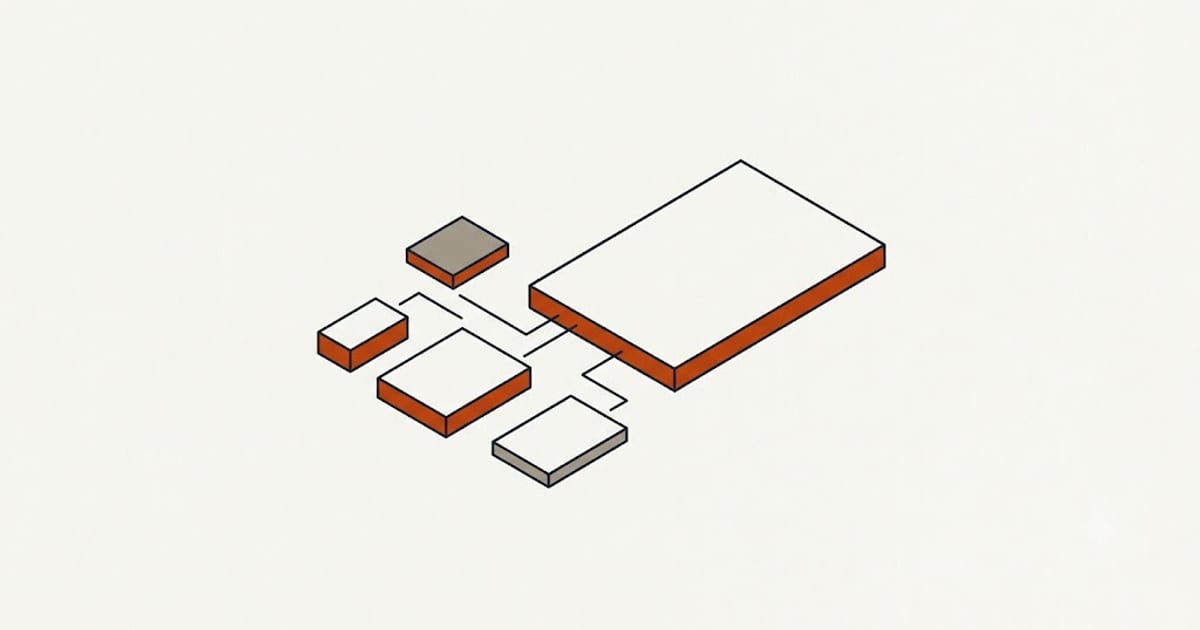
3,000 mg a day is the limit printed on most US packaging. 4,000 mg is the traditional maximum still used clinically for healthy adults under supervision.
| Adults | |
|---|---|
| Single dose | 325–1,000 mg |
| Interval | Every 4–6 hours |
| Label maximum | 3,000 mg / 24 h |
| Absolute maximum | 4,000 mg / 24 h |
| With regular alcohol use | Lower — ask a clinician |
| With liver disease | Lower — ask a clinician |
Standard tablets are 325 mg (regular strength) or 500 mg (extra strength). Two extra-strength tablets is 1,000 mg, so six tablets reaches 3,000 mg — a number reached faster than most people expect.
Why the label says 3,000 and textbooks say 4,000
The manufacturer lowered the labelled maximum to 3,000 mg some years ago as a safety margin, not because 4,000 was found to be harmful in healthy adults.
The gap exists because the distance between a therapeutic dose and a liver-damaging one is narrower for acetaminophen than for most over-the-counter drugs. A margin that looks conservative on the label absorbs ordinary human error — a forgotten dose, a miscounted tablet, an unnoticed combination product.
Treat 3,000 as the working ceiling unless a clinician has said otherwise.
The real cause of most overdoses
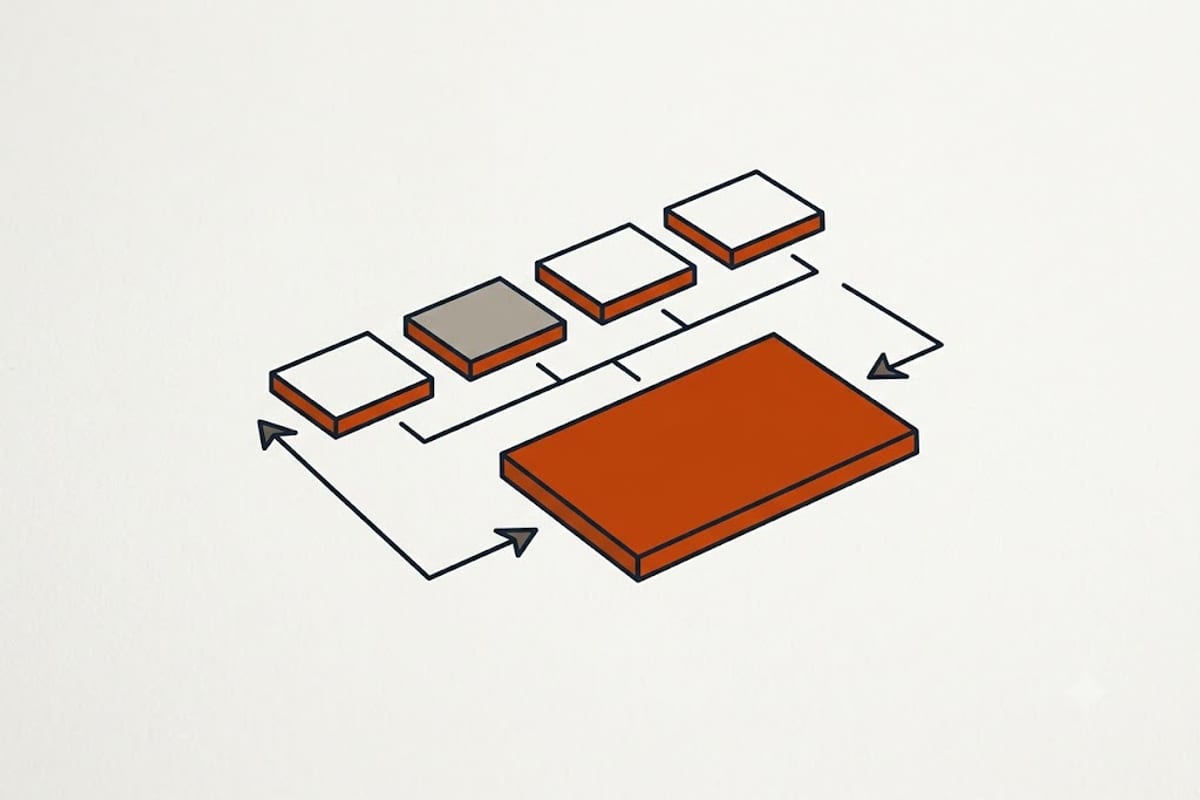
Acetaminophen — paracetamol outside the US — appears in a very large number of combination products, frequently without being the headline ingredient:
- Cold and flu remedies, day and night formulations
- Sinus and allergy combinations
- Prescription opioid combinations (oxycodone/acetaminophen, hydrocodone/acetaminophen)
- Menstrual and migraine formulations
- Sleep aids marketed as "PM"
Someone taking a cold remedy every six hours and two extra-strength tablets for a headache and a prescription combination for back pain can pass 4,000 mg in a day without taking more than the label of any single product.
Read the active ingredient panel on everything. That is the whole prevention, and it works.
Spacing is part of the dose
Every 4 to 6 hours, and no more than the daily total. Extended-release formulations use an 8-hour interval and a different tablet count — they are not interchangeable with regular tablets on a dose-for-dose basis.
Write down the time of each dose when unwell. This is where doubling happens, and it happens through good intentions.
Alcohol, and the reason it matters
Acetaminophen is processed by the liver. Regular alcohol use both depletes the protective compound the liver uses to handle it and increases the pathway that produces the toxic metabolite.
The combination raises risk at doses that would otherwise be safe. Anyone drinking regularly should ask a clinician about their own ceiling rather than using the label figure.
The same caution applies with existing liver disease, malnutrition, prolonged fasting, and some anti-seizure medications.
Overdose is quiet at first
The dangerous feature of acetaminophen overdose is that early symptoms are mild or absent — nausea, vomiting, sweating — for the first 24 hours, while liver injury is already under way. By the time jaundice and abdominal pain appear, treatment is far less effective.
An antidote exists and works best within 8 to 10 hours. Any suspected overdose is an immediate call to a poison centre or emergency service, not a wait-and-see.
Ibuprofen is a different drug with a different ceiling and a different set of cautions — weight-based dosing for children is here.
Sources: US FDA acetaminophen labelling guidance; manufacturer package labelling; NHS Paracetamol for adults.
General reference reproducing published label dosing. Not medical advice. Your pharmacist and doctor know your other medications and your history; this page does not.