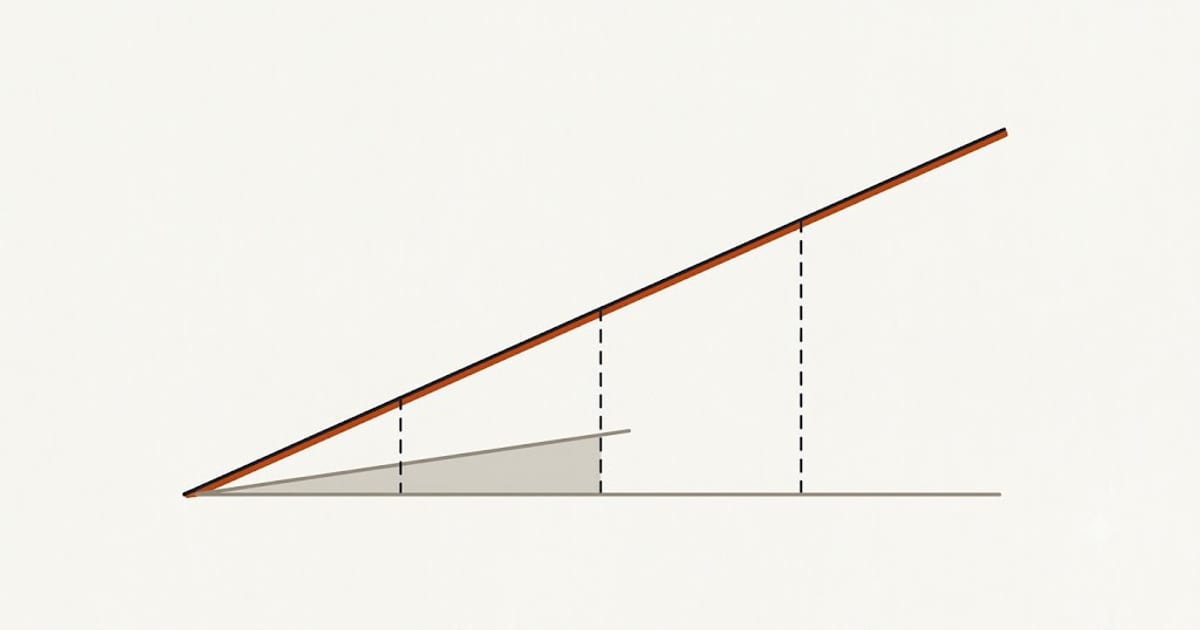
10 mg of ibuprofen per kilogram of body weight, every 6 to 8 hours. Maximum 40 mg/kg in 24 hours, and no more than four doses in a day.
For the standard children's suspension of 100 mg per 5 mL:
| Weight | Dose | Suspension (100 mg/5 mL) |
|---|---|---|
| 12–17 lb (5.5–7.7 kg) | 50 mg | 2.5 mL |
| 18–23 lb (8–10.5 kg) | 75 mg | 3.75 mL |
| 24–35 lb (11–16 kg) | 100 mg | 5 mL |
| 36–47 lb (16–21 kg) | 150 mg | 7.5 mL |
| 48–59 lb (22–27 kg) | 200 mg | 10 mL |
| 60–71 lb (27–32 kg) | 250 mg | 12.5 mL |
| 72–95 lb (33–43 kg) | 300 mg | 15 mL |
| 96 lb and over | 400 mg | 20 mL |
Not for infants under 6 months without a doctor's direction.
Check the concentration on your bottle
The table above assumes 100 mg per 5 mL, which is the common children's suspension. It is not the only one sold.
Infant drops are more concentrated — commonly 50 mg per 1.25 mL. The same volume is a very different dose. Giving 5 mL of infant drops where 5 mL of children's suspension was intended is a fourfold overdose.
Read the concentration on the bottle in front of you every time, and do not carry a millilitre figure over from a different product.
Weight beats age, every time
Package labels give age brackets because a shop cannot weigh a child. They are a proxy, and a loose one: two five-year-olds can differ by 15 lb, which is a 50% difference in the correct dose.
Where the label's age bracket and the child's actual weight disagree, the weight is the one to use.
Measuring it
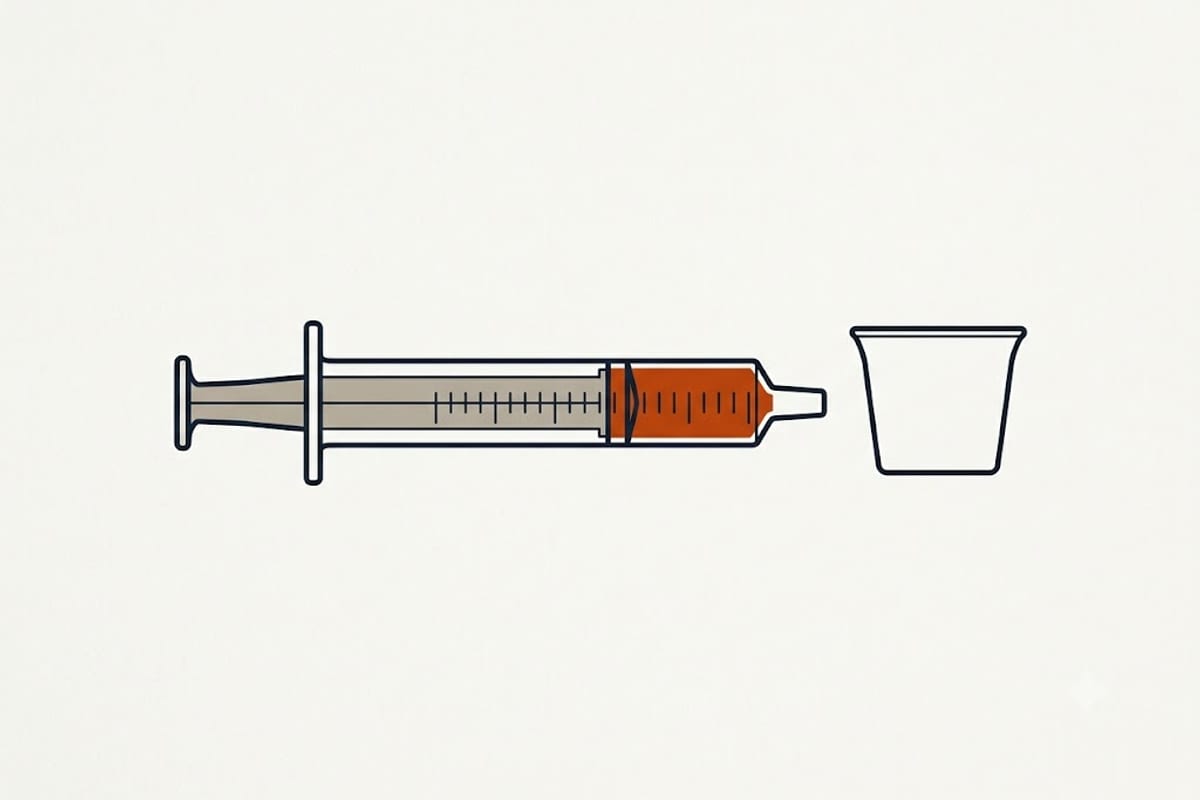
Use the syringe or cup that came with the bottle, or a pharmacy oral syringe. A kitchen teaspoon holds anywhere from 3 to 7 mL, and dosing errors from household spoons are common enough to be a well-documented category.
Shake the bottle. Suspensions settle, and an unshaken bottle gives a weak dose from the top and a strong one from the bottom.
Spacing is part of the dose
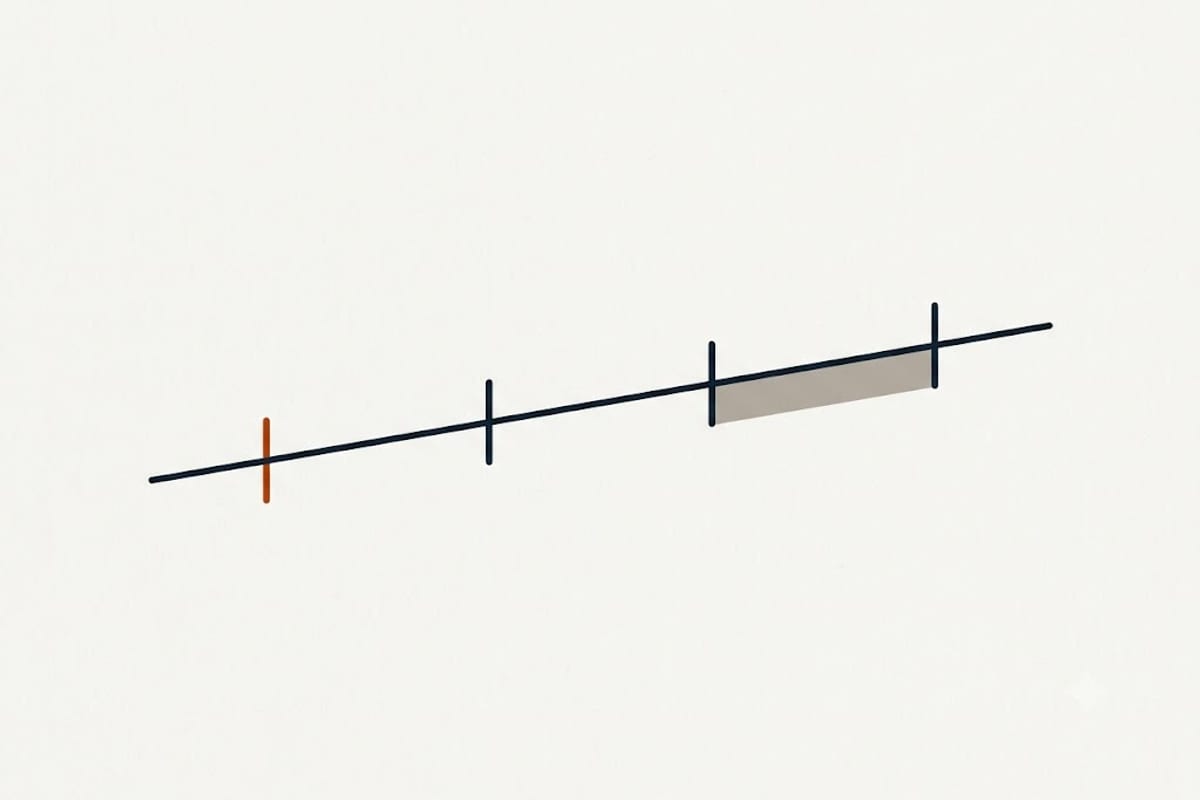
Ibuprofen is every 6 to 8 hours, not every 4. Write down the time of each dose — with two adults caring for an unwell child, double dosing happens through good intentions rather than carelessness.
The 40 mg/kg daily ceiling matters as much as the single dose. A 20 kg child can have 200 mg per dose and no more than 800 mg across the day.
Ibuprofen against paracetamol
| Ibuprofen | Paracetamol / acetaminophen | |
|---|---|---|
| Dose | 10 mg/kg | 10–15 mg/kg |
| Interval | 6–8 h | 4–6 h |
| Daily max | 40 mg/kg | 5 doses |
| With food | Yes, or with milk | Not required |
| Under 6 months | No | Yes, from 2 months (per label) |
They are different drugs with different daily ceilings, so they can be alternated on a doctor's advice — but that doubles the opportunity to lose track. If you alternate, write both down.
When to stop and ring someone
Any of these rather than another dose: a child under 6 months; signs of dehydration or not drinking; vomiting the dose repeatedly; existing kidney disease, asthma with known NSAID sensitivity, or a bleeding disorder; fever beyond 3 days or pain beyond 5; any child under 3 months with a fever at all.
Ibuprofen is an NSAID and needs food or milk with it — on an empty stomach it is a common cause of stomach upset in children who otherwise tolerate it fine.
Adult reference ranges live under their own thresholds: see blood pressure categories and lab unit conversions.
Sources: Manufacturer package labelling for children's ibuprofen suspension (100 mg/5 mL); American Academy of Pediatrics guidance on fever and antipyretic use; NHS Ibuprofen for children.
General reference reproducing published label dosing. Not medical advice. Your pharmacist and your child's doctor know the product in your cupboard and your child's history; this page knows neither.