The widely used threshold is 100.4°F (38.0°C) or above. Below that, up to about 99.5°F, is usually described as an elevated temperature rather than a fever.
Normal body temperature is not a single number. It is a range of roughly 97°F to 99°F (36.1°C to 37.2°C), and it moves through the day — lowest in the early morning, highest in the late afternoon and evening. A reading of 99.5°F at 5pm and the same reading at 5am mean different things.
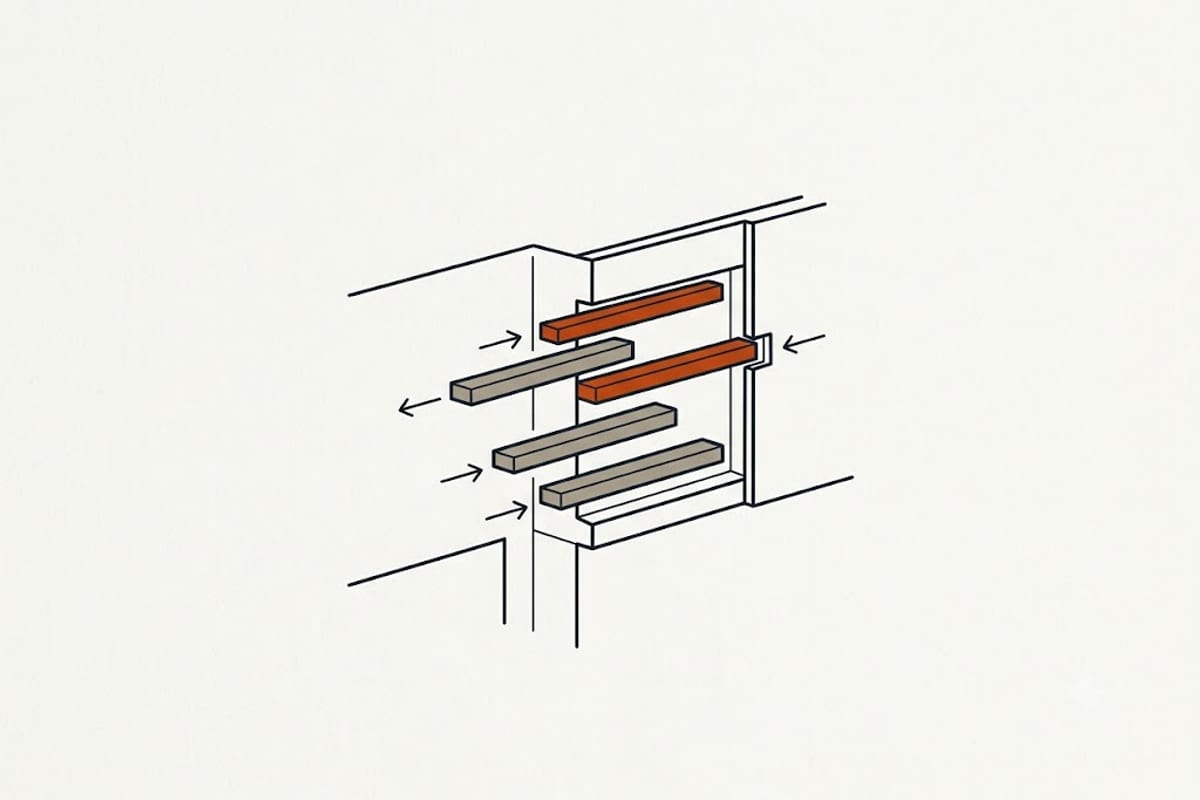
Where you measured shifts the number
| Site | Relative to oral |
|---|---|
| Rectal | about 0.5–1°F higher |
| Oral | reference |
| Temporal artery (forehead) | close to oral |
| Tympanic (ear) | close to oral, variable |
| Axillary (armpit) | about 1°F lower |
Axillary is the least reliable and it is the one most often used on a squirming child. An armpit reading of 99.5°F may correspond to a rectal temperature above the fever threshold.
Rectal measurement remains the reference standard in infants, and it is what a clinician will ask for.
The one age where the number is an emergency
An infant under three months old with a rectal temperature of 100.4°F (38.0°C) or higher needs to be assessed the same day. This is not a wait-and-see situation, and it holds even when the baby appears well.
The reason is that very young infants have limited ability to localise infection and can be seriously unwell with few outward signs. Age is doing the work in that rule, not the size of the number.
Things that make a reading wrong
Oral — a hot or cold drink within about 15 minutes, smoking, or mouth breathing.
Temporal and tympanic — sweat on the forehead, coming in from the cold, ear wax, or poor probe positioning. Both are convenient and both are more variable than oral.
Axillary — a poorly closed armpit, or clothing trapped under the probe.
Any site — heavy blankets, a hot room, or a recent bath.
Take a second reading a few minutes later before acting on a borderline result.
What matters more than the number
A fever is a response, not a disease. Above the threshold, how the person looks and behaves carries more information than the exact temperature does.
Signs that warrant prompt medical attention regardless of the reading include difficulty breathing, confusion or unusual drowsiness, a stiff neck, a rash that does not fade under pressure, persistent vomiting, signs of dehydration, or a seizure.
Conversely, a person with a temperature of 102°F who is alert, drinking and comfortable is usually in a better position than one at 100.5°F who is lethargic and not taking fluids.
When to treat
Treatment is for comfort rather than for the number. A fever that is not causing distress does not have to be brought down, and lowering it does not shorten the illness.
Where treatment is appropriate, acetaminophen or ibuprofen at the correct weight-based dose are the usual options. Ibuprofen is not used in infants under six months, and aspirin is not given to children or teenagers because of the risk of Reye's syndrome.
When to seek care about the fever itself
Common thresholds used in general guidance:
- Any age under 3 months, at 100.4°F rectal or above — same day
- 3 months to 3 years, above 102°F, or any fever lasting more than about 24 hours
- Adults, above 103°F, or a fever lasting more than about three days
- Anyone with a weakened immune system, recent surgery, or a serious underlying condition — lower threshold, ask sooner
This page describes commonly used reference figures and is not a substitute for assessment by a clinician who can see the person.