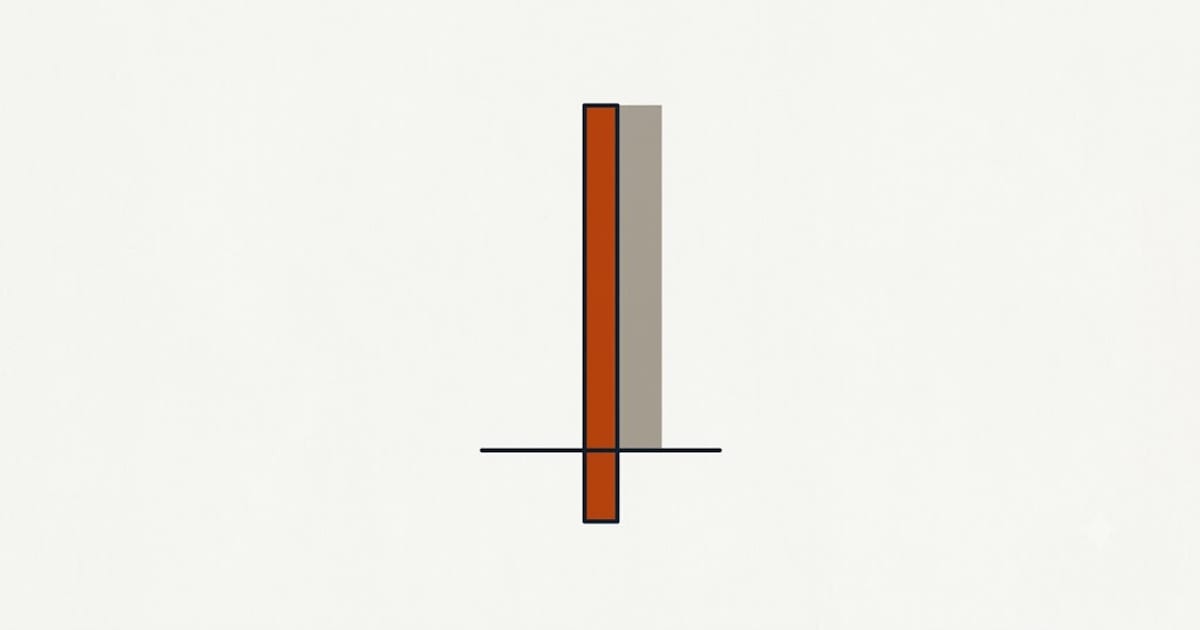
Below 90 systolic or below 60 diastolic is the usual definition of hypotension.
Unlike high blood pressure, that threshold is far less meaningful on its own.
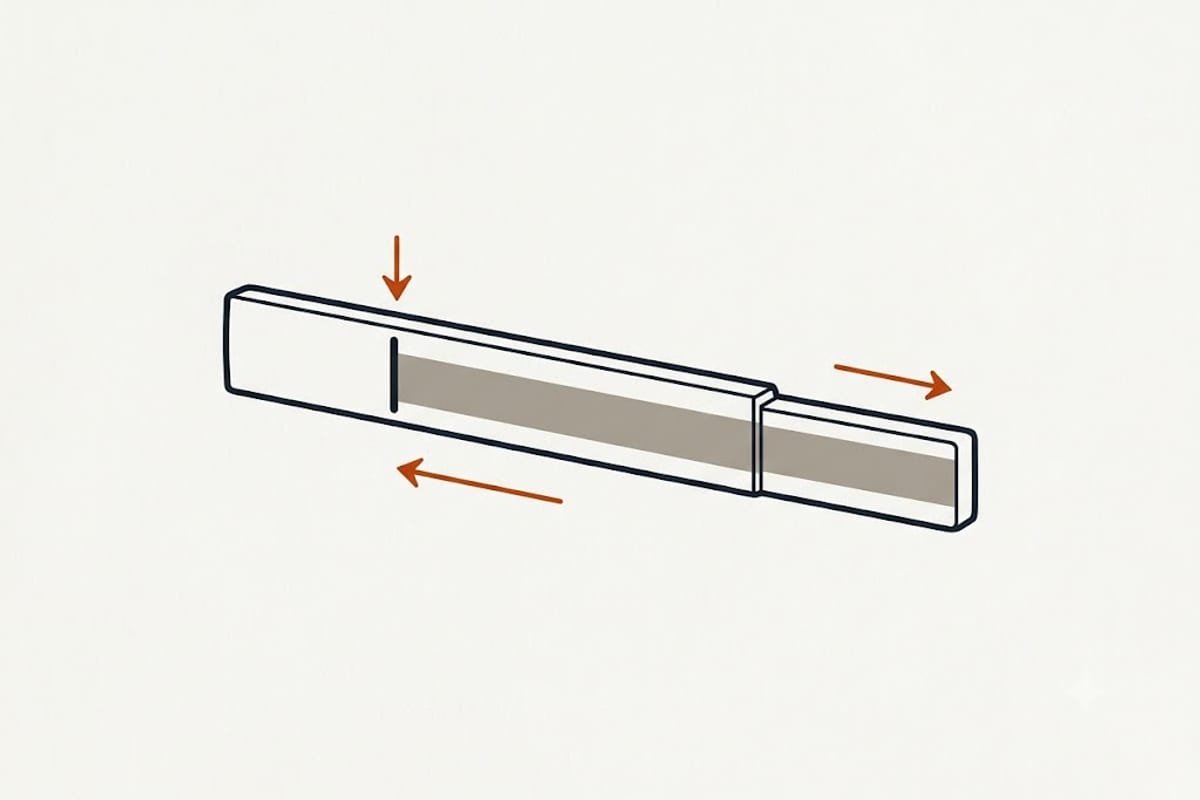
A low reading in a well person is usually nothing
Plenty of healthy people — often young, often lean, often fit — sit around 95/60 permanently and always have. For them it is a baseline, not a finding.
The rule of thumb clinicians apply: low blood pressure matters when it produces symptoms. Blood pressure exists to perfuse organs, and if the brain and kidneys are receiving what they need, a number below a line on a chart has not caused a problem.
That is close to the opposite of how high blood pressure works, where the damage accumulates silently and the absence of symptoms proves nothing.
The symptoms that make it matter
Dizziness or light-headedness, particularly on standing. Fainting or near-fainting. Blurred vision. Nausea. Unusual fatigue. Difficulty concentrating. Cold, clammy or pale skin.
Any of those alongside a low reading changes it from a number into a finding.
Orthostatic hypotension
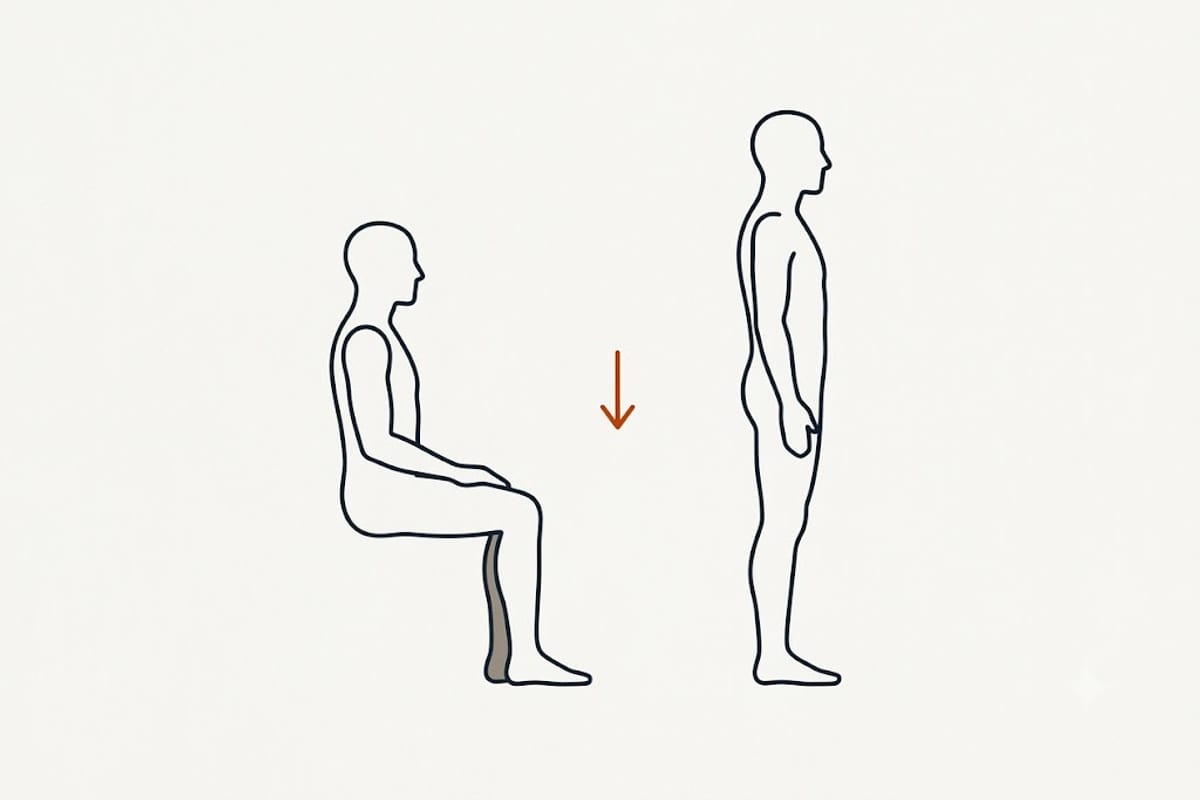
A drop of 20 mmHg systolic or 10 mmHg diastolic within three minutes of standing from sitting or lying.
This is the common and specific version, and it is measured rather than guessed: a reading lying down or seated, then repeated one and three minutes after standing.
It becomes more common with age, with dehydration, and with several medication classes — blood pressure drugs, diuretics, some antidepressants, and drugs for prostate symptoms. It is a leading cause of falls in older adults, which is why the standing measurement is worth taking rather than assuming.
What lowers blood pressure
Dehydration, which is the most common reversible cause. Blood loss. Medication, including any drug intended to lower blood pressure, taken at a higher dose than needed. Prolonged bed rest. Heat, which dilates vessels. Pregnancy, particularly the first and second trimesters, where a drop is expected. Endocrine conditions including adrenal insufficiency and thyroid disease. Heart problems affecting output.
Alcohol lowers it acutely. A large meal lowers it in some older adults for an hour or two afterwards — postprandial hypotension, and a recognised cause of falls after lunch.
When a low reading is urgent
Fainting, confusion, chest pain, breathlessness, a rapid weak pulse, or cold clammy skin alongside a low reading needs emergency care. Those together suggest the circulation is not maintaining perfusion, which is a different situation from a constitutionally low number.
A sudden fall from a person's usual reading matters more than the absolute value. Someone whose normal is 130/80 arriving at 95/60 has dropped 35 points, and that is worth attention even though 95/60 would be unremarkable in someone else.
Why there is no treatment target for low
High blood pressure has thresholds because lowering it below them measurably reduces strokes and heart attacks. Nothing equivalent exists at the bottom of the scale: there is no trial showing that raising a symptom-free low reading improves any outcome.
So the management of hypotension, where it needs managing at all, addresses the cause rather than the number — fluids for dehydration, a medication review where a drug is responsible, compression stockings and slower position changes for orthostatic symptoms.
Advice to increase salt intake circulates widely and is a clinical decision rather than a general one, since it interacts directly with the far more common problem at the other end of the scale.
Measuring it properly still applies
The same technique rules as for a high reading: five minutes seated, back supported, arm at heart level, correct cuff size, no talking, two readings a minute apart. A falsely low reading from a cuff too large is less discussed than the falsely high reading from one too small, but it happens.
The full category table and the technique detail are on the blood pressure page.
Sources: American Heart Association Low Blood Pressure; NIH reference material on orthostatic hypotension; NHS Low blood pressure.
Reference information for general use. Not medical advice, and no substitute for a clinician who knows your history and medication.