97.0 to 99.0°F (36.1 to 37.2°C) for a healthy adult, measured orally.
| Site | Normal range | Fever |
|---|---|---|
| Oral | 97.0–99.0°F / 36.1–37.2°C | 100.4°F / 38.0°C |
| Rectal | 97.9–100.4°F / 36.6–38.0°C | 100.4°F / 38.0°C |
| Ear (tympanic) | 97.5–100.0°F / 36.4–37.8°C | 100.4°F / 38.0°C |
| Forehead (temporal) | 97.0–99.5°F / 36.1–37.5°C | 100.4°F / 38.0°C |
| Underarm (axillary) | 95.9–98.6°F / 35.5–37.0°C | 99.0°F / 37.2°C |
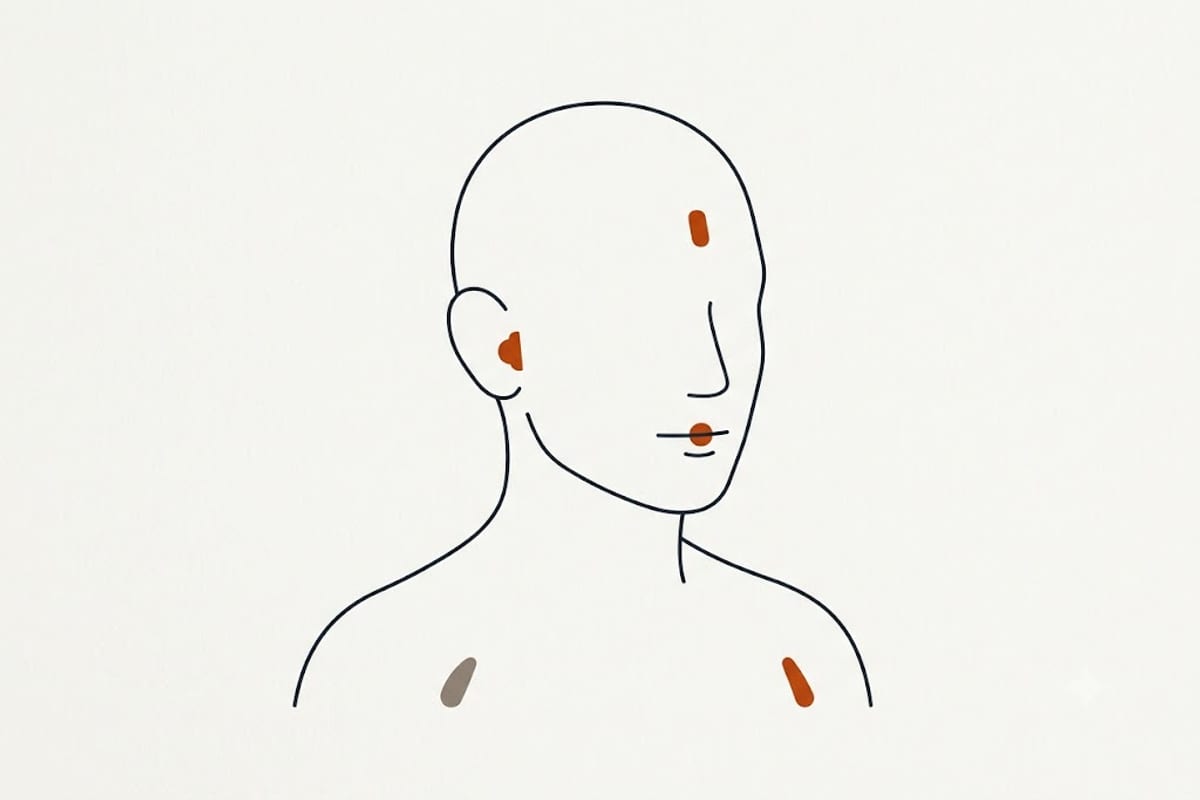
Site changes the number by up to a full degree. A rectal reading runs about 0.5 to 1.0°F above an oral one; an underarm reading runs about 1°F below. Comparing readings taken at different sites is comparing two different measurements.
Where 98.6 came from, and why it is not the answer
The figure comes from a study of about 25,000 measurements published by Carl Wunderlich in 1868, averaged and converted from 37.0°C.
Two problems followed. First, an average was reported as a norm — the underlying data already spanned a range. Second, later work using modern thermometry has consistently found mean adult temperature somewhat below 37.0°C, commonly around 36.6°C, and some analyses suggest the population average has genuinely drifted down over a century and a half.
The practical consequence: a reading of 98.2°F is not "below normal". It is normal.
Temperature moves through the day
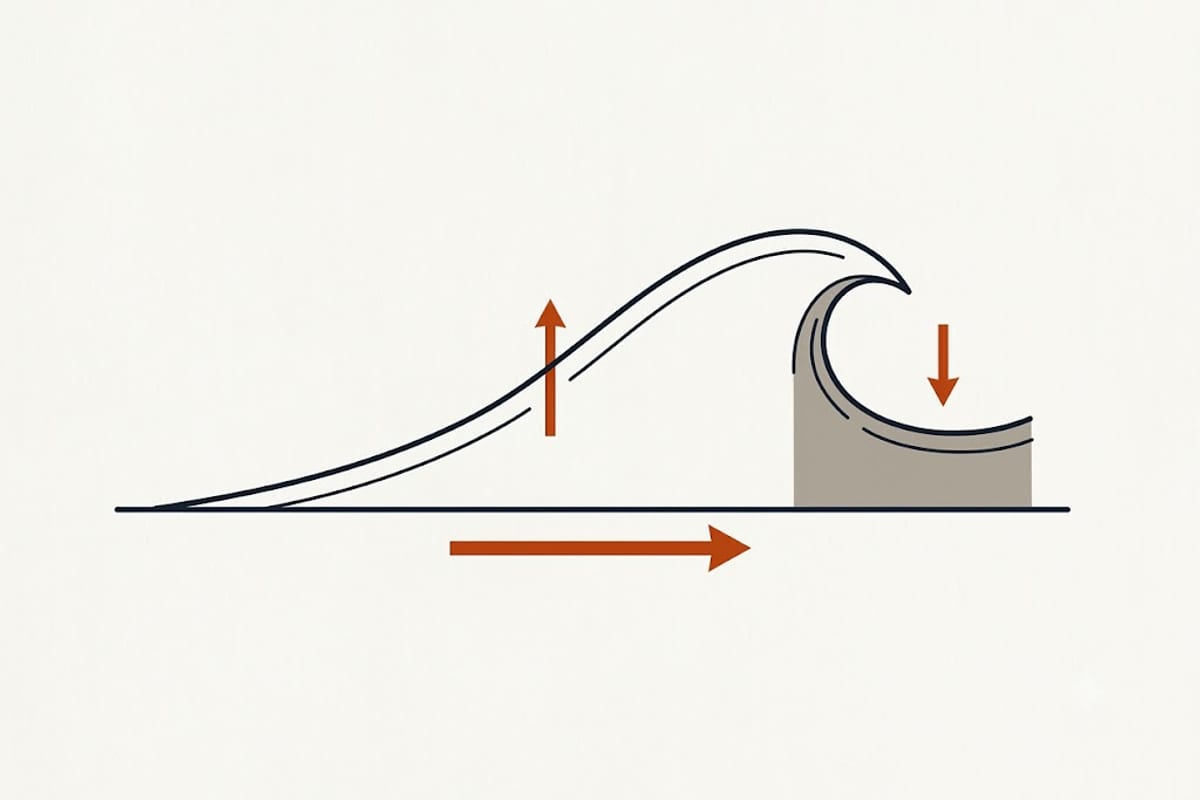
Body temperature follows a daily rhythm with a swing of roughly 1°F: lowest in the early hours of the morning, highest in the late afternoon and early evening.
That means the same person can read 97.4 at 6am and 98.9 at 5pm with nothing having changed. A reading is only comparable with another taken at a similar time.
Other things that move it: recent exercise, a hot or cold drink within 15 minutes of an oral reading, a hot bath, heavy clothing, and — in menstruating women — the cycle, which raises basal temperature by about 0.5 to 1.0°F after ovulation.
Fever thresholds
100.4°F (38.0°C) is the standard fever threshold for most sites and most ages. It is a threshold rather than a danger line — the number matters far less than how the person looks and behaves.
Two situations where the number does matter on its own:
Any infant under 3 months with a rectal temperature of 100.4°F or above needs urgent medical assessment, regardless of how well they seem. This is the single most important line on this page.
Anyone immunocompromised — on chemotherapy, after transplant — with a fever needs same-day contact, because the usual signs of infection may be absent.
Choosing a thermometer
The site you can measure reliably matters more than the theoretical accuracy of the device.
Digital oral or rectal thermometers are the most accurate in ordinary use and the cheapest. Rectal is the reference standard for infants and the one paediatric guidance is written around.
Tympanic (ear) is fast and reasonably accurate in adults and older children, and unreliable under six months because the ear canal is too small and curved for correct placement. Earwax and a poorly aimed probe both read low.
Temporal (forehead) scanners are convenient and the most sensitive to technique — sweat, a fringe, a cold room or a recent walk indoors all shift the reading. They are best for tracking a trend in one person rather than for a single decisive measurement.
Mercury glass thermometers are accurate and no longer recommended anywhere, because a broken one releases mercury.
Whichever you use, use the same one at the same site each time. A trend from one instrument is worth more than a scatter from three.
Low temperature
Below 95°F (35°C) is hypothermia and is a medical emergency. It is easy to miss in older adults, in whom it can develop indoors without obvious cold exposure.
A mildly low reading in a well person is usually the measurement — a poorly placed probe, an underarm reading compared against oral ranges, or simply the early-morning trough.
Heart rate rises with fever by roughly 10 beats per minute per degree Celsius, which is worth knowing when reading a pulse alongside a temperature.
Sources: NIH and CDC reference material on body temperature and fever; Mackowiak et al. reassessment of the 98.6°F figure; NHS Fever in adults.
Reference ranges for general information. Not medical advice, and no substitute for a clinician.