| SpO₂ | Reading |
|---|---|
| 95–100% | Normal for a healthy adult at sea level |
| 91–94% | Below normal — worth attention, context matters |
| 90% or below | Hypoxaemia — contact a clinician |
| Below 88% sustained | Urgent |
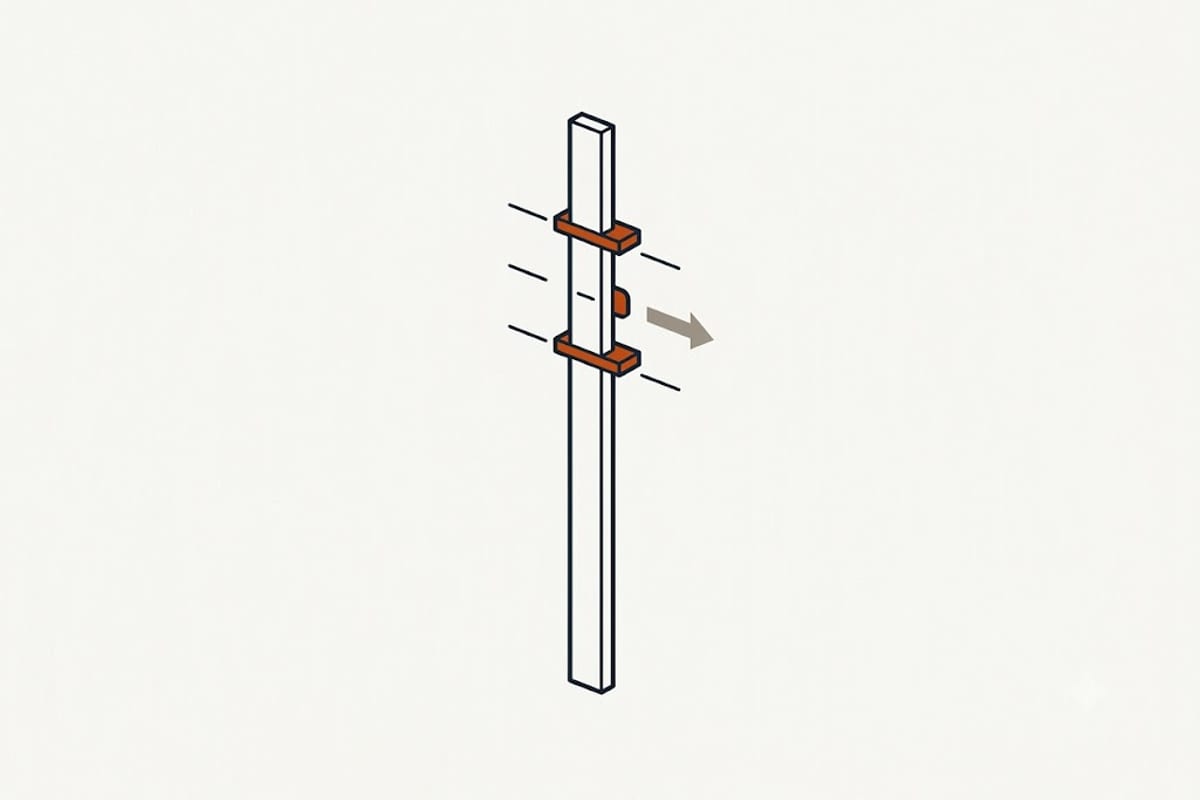
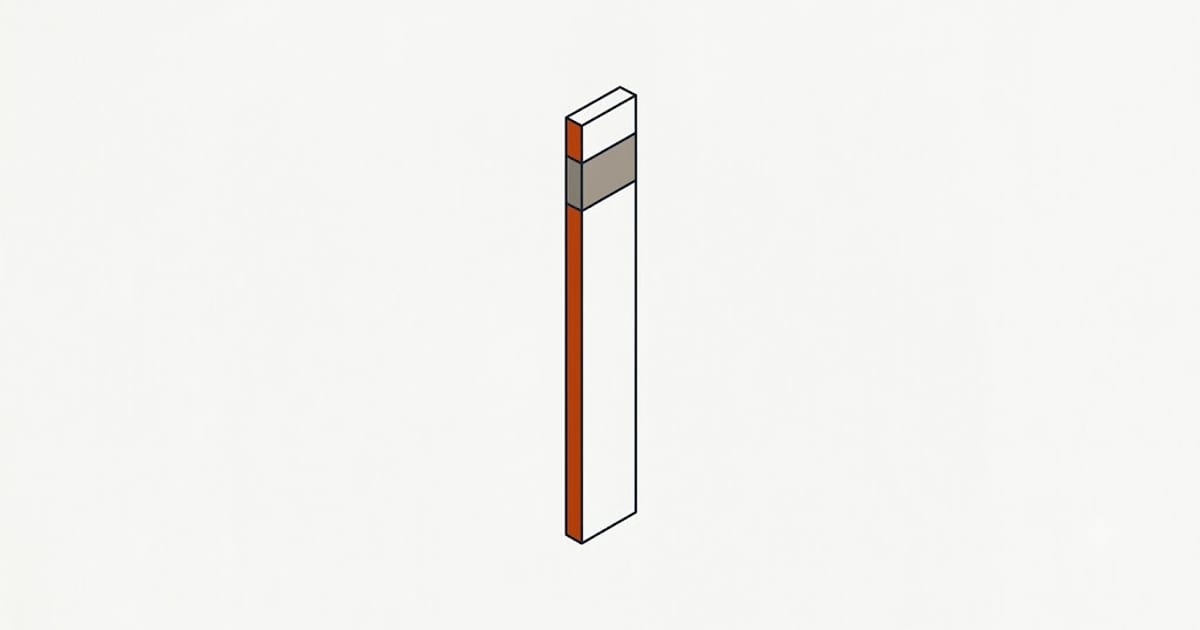
The entire useful scale sits in the top 15% of the range, which is why a two-point change matters here and would be noise almost anywhere else.
The thresholds are not evenly spaced in consequence
Oxygen binds to haemoglobin along a curve that is flat at the top and steep below it. Between 100% and 95% saturation, the amount of oxygen dissolved in blood falls only modestly. Below about 90% the curve turns, and small further drops in saturation correspond to large drops in delivered oxygen.
That is the reason 90% is treated as a line rather than a point on a gradient — the physiology changes character there, not just the number.
Pulse oximeters are wrong in specific, predictable ways
Cold hands read low. Poor peripheral circulation is the most common cause of a falsely low home reading. Warm the hand and repeat before believing it.
Nail polish and artificial nails read low or fail. Dark colours especially.
Movement produces nonsense. Rest the hand and stay still for the reading.
Dark skin pigmentation biases readings high. This is well documented and clinically significant: pulse oximeters have been shown to overestimate saturation in patients with darker skin, meaning genuine hypoxaemia can be missed. A reading that looks acceptable alongside symptoms deserves more weight than the number.
Carbon monoxide poisoning reads normal or high while the person is severely hypoxic, because the device cannot distinguish carboxyhaemoglobin from oxyhaemoglobin. In any suspected CO exposure the oximeter is not merely unhelpful but actively misleading.
Poor perfusion, anaemia and shock all degrade accuracy.
Altitude changes the normal range
At sea level 95–100% is normal. Higher up, the air holds less oxygen and normal saturation falls with it — readings in the low 90s are ordinary for residents at 2,000 metres and above, and lower still for visitors who have not acclimatised.
A chart that gives one range without naming altitude is written for sea level.
How to take a reading that means something
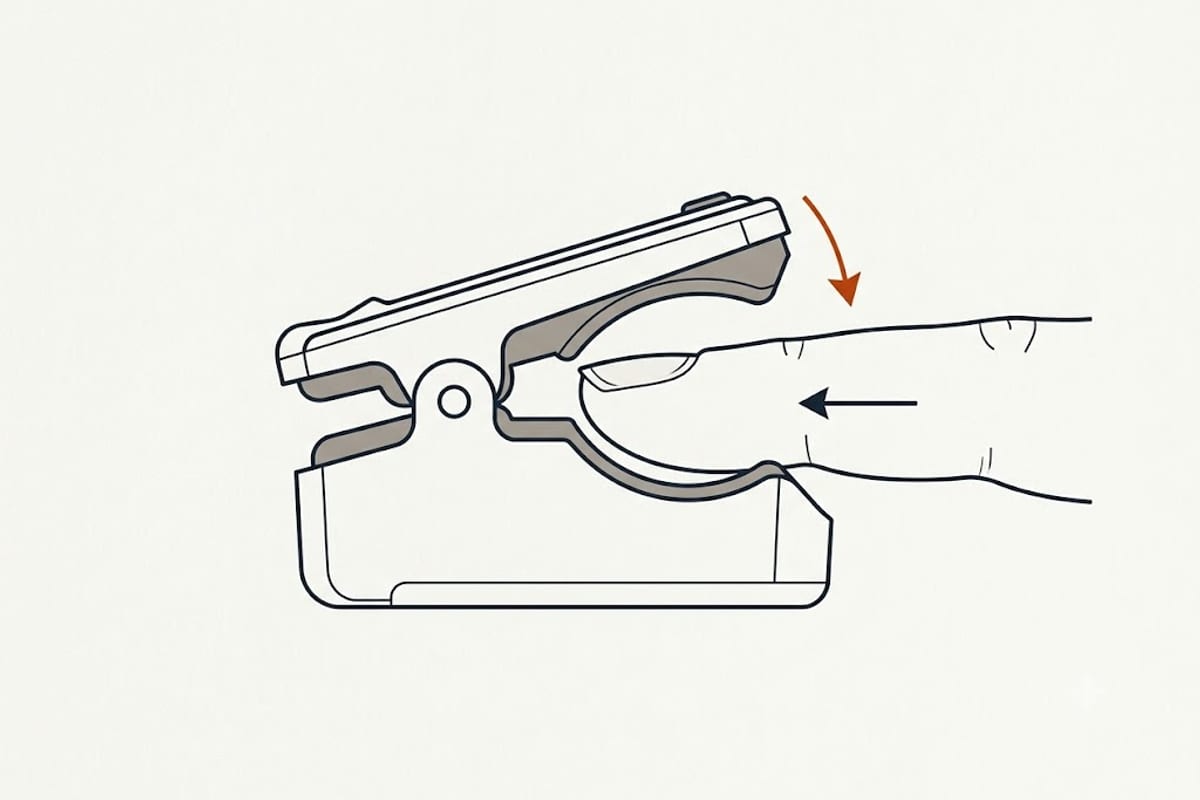
Sit at rest for five minutes. Warm hands. No nail polish on the finger used. Rest the hand on a table rather than holding it up. Wait for the number to settle for a full 30 seconds rather than reading the first figure that appears — most devices need that long to stabilise.
Record the pulse rate the device also reports. If it disagrees with a pulse you count manually, the reading is unreliable and everything else on the screen is too.
People who live below 95% by baseline
Anyone with significant chronic lung disease may sit in the high 80s or low 90s as their normal, and for them a target range is set individually by a clinician rather than taken from a general table.
That matters in both directions. A reading of 91% is a concern in someone whose usual figure is 98 and unremarkable in someone whose usual figure is 90. It is the reason a baseline recorded while well is worth more than any single measurement taken while unwell — and the reason a home oximeter is most useful to people who already know their own number.
For everyone else, the general range applies, and a persistent drift downward across days matters more than any one reading.
When the number is not the point
Breathlessness at rest, chest pain, confusion, blue lips or fingertips, or difficulty speaking a full sentence all warrant urgent care regardless of what the device says.
An oximeter measures one variable. It does not measure work of breathing, and someone maintaining 94% by breathing hard is in a different situation from someone at 94% breathing comfortably.
Pulse rate and temperature are read alongside it: heart rate ranges and temperature.
Sources: NIH and FDA guidance on pulse oximeter accuracy and limitations, including skin pigmentation bias; NHS oxygen saturation reference material.
Reference ranges for general information. Not medical advice, and a home oximeter is not a diagnostic instrument.